
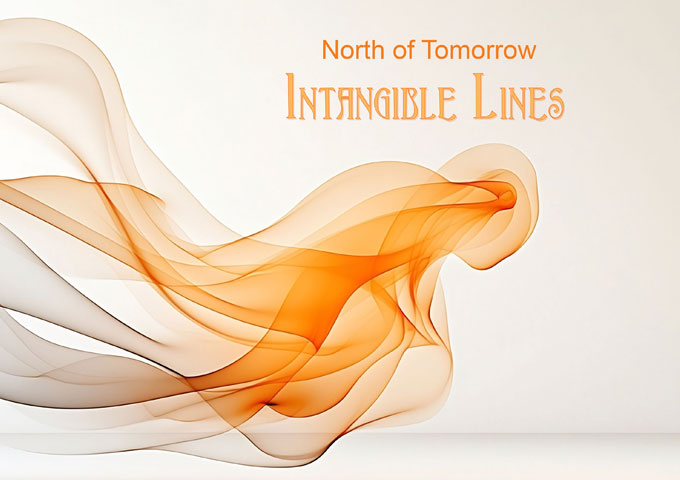
North of Tomorrow’s latest album, “Intangible Lines,” feels like a heartfelt conversation about growing older, looking back, and staying curious. The title itself speaks volumes—these are songs about those invisible boundaries that mark our lives: where memories blend into today, where hope meets reality, and where change happens quietly. It’s an album full of reflections, inspired by everyday moments and relationships, and the idea that even as years pass, music can still bring a sense of wonder and surprise.
The trio—Brian Mueller, Gary Adrian, and Stephen Rogers—are longtime collaborators, and their experience shows. There’s an easy chemistry here that only comes with decades of playing together, and their music is all the better for it. They’ve seen trends come and go, but instead of chasing what’s popular, North of Tomorrow dives into what moves them. Influences come through from bands like Peter Gabriel, Pink Floyd, David Bowie, and Steely Dan—but the sound is distinctly their own. They mix rock, alternative, and jazz, but never settle into one style.
“Intangible Lines” is loaded with smart songwriting and careful production. The first track, “Time Flies,” sums up a lot of what the album feels like—nostalgic, honest, and a little bittersweet. The lyrics tell stories of old friends and missed chances, but there’s a lightness to it that makes looking back feel more like a celebration than a regret. The rest of the album follows suit: “Maybe Yes” playfully wonders about life’s possibilities, “Big Wide World” paints life with wide-open optimism, and “St. St.” puts a thoughtful spin on familiar blues. Each track is full of unexpected details: jazzy layers, soulful harmonies, inventive string sections, and some truly crisp bass and keyboard work.
The band’s approach to collaboration is also commendable. They’ve brought in musicians from all over the world, giving “Intangible Lines” a fresh, global feel. It’s not just a studio project—it sounds like three friends stretching themselves, open to new ideas and influences. The production is top-notch; Bob Katz mastered the album and The Bakery in LA handled the vinyl mastering, so everything sounds professional.

There’s a maturity in North of Tomorrow’s music, but not the kind that feels stiff or tired. These guys continue to experiment—still chasing the next cool idea. The songs encourage listeners not to get stuck in nostalgia, but to keep looking for something new. The lyrics, especially on tracks like “Me Oh My” and “Taking on Water,” balance real-world struggles with wry humor and hope. You can tell they’ve faced their share of ups and downs, but they haven’t lost their love for a catchy hook or a clever turn of phrase.
North of Tomorrow extends an open invitation: step through those intangible lines. Allow the music to blur the past and present, and find comfort—and excitement—in the company of artists who refuse to be pinned down. For listeners tired of the predictable, weary of the easily categorized, and moved by a sense of lived-in authenticity, this album is the perfect tonic. Whether on vinyl or streaming, don’t just listen—inhabit these songs. Each play reveals a new color, a new answer, and a new question: How time flies, and how music, at any age, remains the most wonderful experiment.